When selecting a packaging machine, one of the most common questions is whether to choose a multi-lane or a single-lane packaging machine.
Both machine types are widely used, but they are designed for different products, production volumes, and packaging requirements.
Understanding the key differences helps you make a more cost-effective and efficient decision.
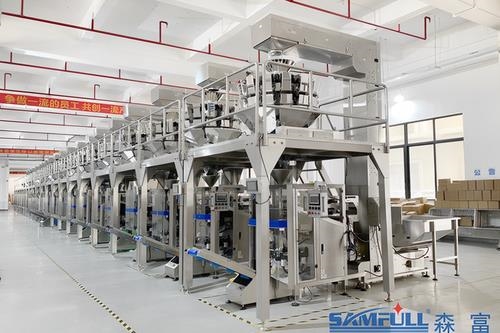
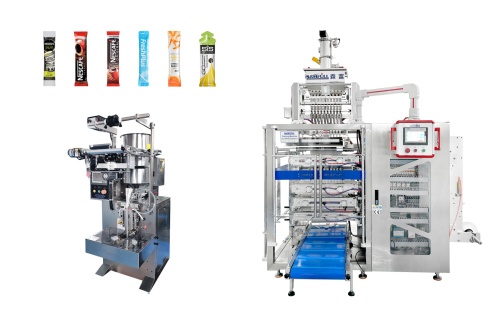
A single-lane packaging machine processes one package per cycle and is typically used for medium to large bag sizes.
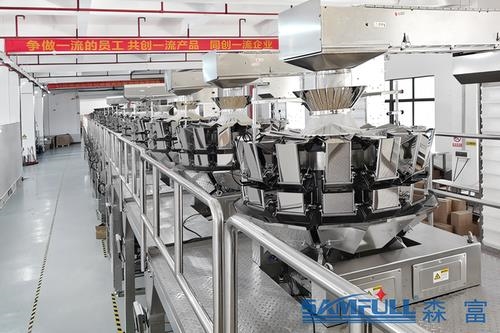
It is commonly combined with filling systems such as multihead weighers, auger fillers, or liquid pumps.
Single-lane machines are flexible and suitable for a wide range of products and packaging formats.
A multi-lane packaging machine runs multiple lanes simultaneously, producing several sachets in one cycle.
It is mainly used for small sachets such as stick packs and flat sachets.
Multi-lane machines are ideal for high-speed, high-volume production.
Single-lane packaging machines focus on stability and flexibility rather than extremely high output.
Multi-lane packaging machines significantly increase output by running multiple lanes at the same time.
For customers with large daily output requirements for small sachets, multi-lane machines offer a clear advantage.
Single-lane machines support a wider range of bag sizes and bag styles.
They are suitable for pillow bags, gusset bags, flat bottom bags, and larger pouches.
Multi-lane machines are optimized for small and uniform sachets with consistent dimensions.
Stick packs and small four side seal sachets are the most common formats.
Single-lane packaging machines can handle a wide variety of filling systems and materials.
They are widely used for granules, powders, liquids, frozen foods, and irregular products.
Multi-lane machines are mainly designed for powders, granules, and liquids used in small-dose sachets.
Accurate and synchronized filling across all lanes is a key design focus.
Single-lane machines usually have a lower initial investment and simpler operation.
They are suitable for flexible production lines or customers with diverse product ranges.
Multi-lane machines require higher initial investment but offer lower packaging cost per unit at high volumes.
They are ideal for standardized, high-volume production.
If your product requires larger bags, flexible packaging formats, or frequent product changes, a single-lane packaging machine is usually the better choice.
If your focus is small sachets, high speed, and mass production, a multi-lane packaging machine is the optimal solution.
A professional evaluation based on your product and production needs ensures the best long-term result.
Choosing between multi-lane and single-lane packaging machines depends on your product, packaging format, and output goals.
Contact us to receive professional advice and a customized packaging solution tailored to your application.